Introduction
When people talk about a CRM implementation, it's easy to fall into the trap of thinking it's just about software (choosing the right platform, setting up fields, automating workflows) to reach operational excellence (increase productivity, reinforce collaboration, build consistent reporting)
That's part of the work, but it's not the heart of the matter.
Optimizing Customer Experience (CX) in a CRM project means putting the customer's perspective first, and making the technology serve human outcomes, not just system requirements.
Let's unpack that in plain language.
Customer Experience (CX) is the sum total of a customer's perceptions and feelings resulting from every interaction with a brand's products and services.
This is not a single moment; it spans the entire lifetime of the customer relationship:
- Before Purchase: Initial awareness, research, and consideration.
- Active Use: Onboarding, product utilization, and issue resolution.
- Renewal/Repurchase: Loyalty, advocacy, and sustained engagement.
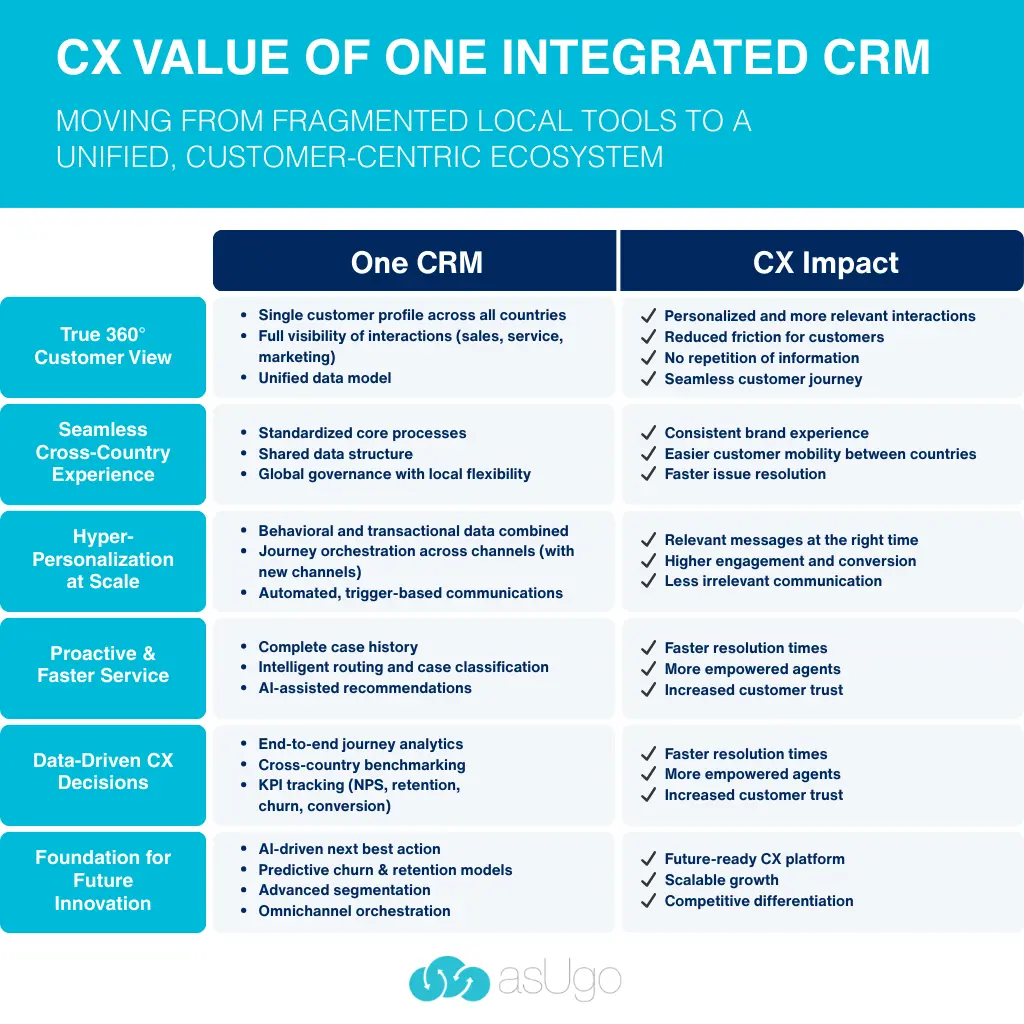
A CRM can help standardize data and automate tasks, but optimizing CX means using that system to ensure those moments feel smooth, predictable, and meaningful.
- Customers receive a seamless and coherent experience across all touchpoints and teams
- Interactions are relevant and more personalized thanks to a complete and up-to-date customer history
- Faster response times and fewer handover issues increase customer satisfaction and trust
Voice of the Customer: Start from the Customer Journey
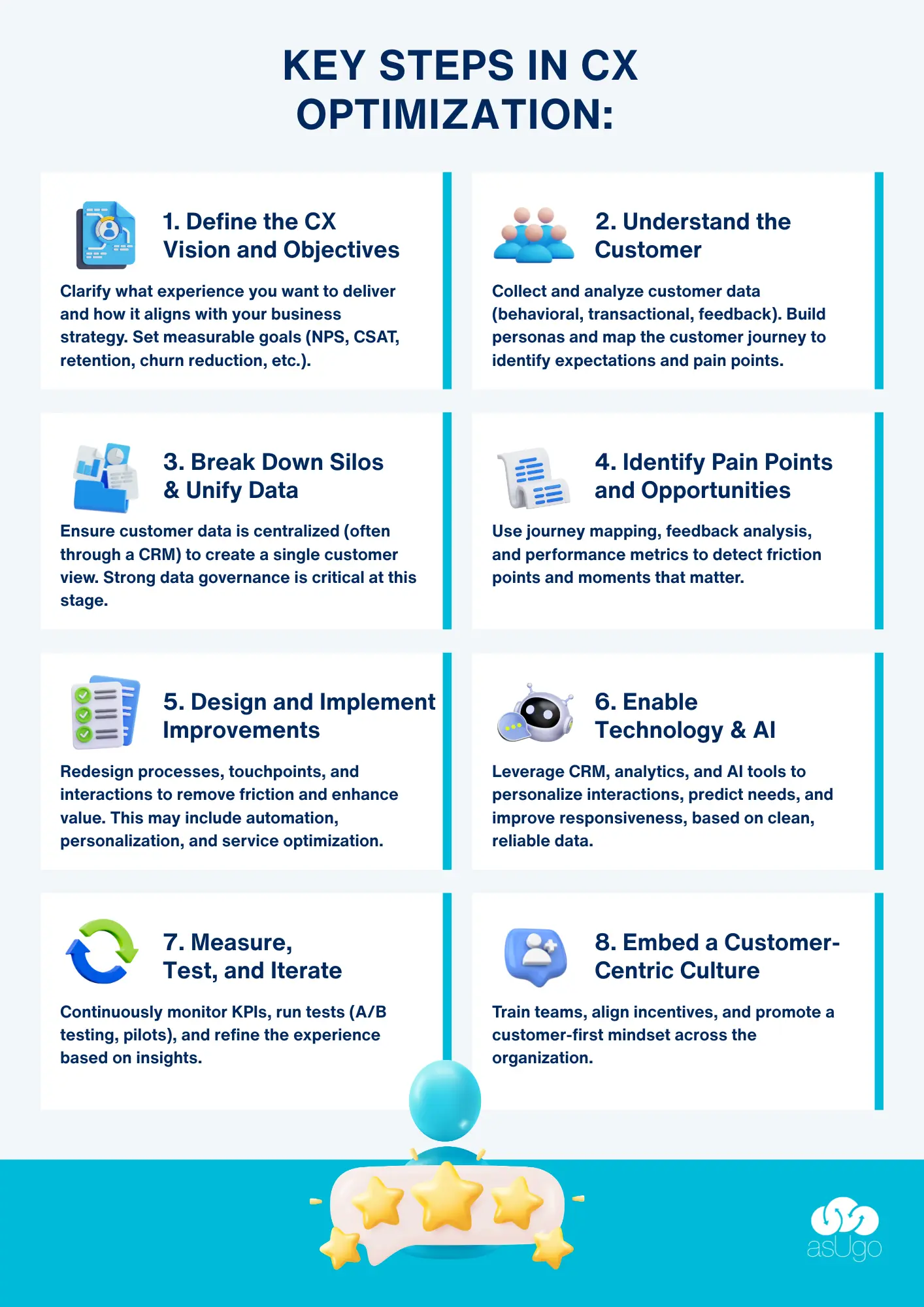
Optimizing CX means understanding each customer interaction from awareness to loyalty. What are their expectations at each step? What are the moments of truth? Where do they get confused or frustrated? Where do they get delighted?
Customer insights like cases and complaints may be a good starting point to identify pain points. Satisfaction surveys, NPS and/or CSat may help completing the picture. With some creative sessions, we will then identify ways of transforming those frustrations into delight. And the CRM will play a key role in the implementation of the new seamless customer journey.
For example:
- Marie is frustrated not to receive sufficient news from her order? Add a post-purchase automated customer journey with order and shipping status, you can also include a portal or website link to access purchase history and status
- Charles complains about the processing time of his cases? Add an agent chatbot to manage recurring cases, add automated case classification, routing, automated case reception email and status updates. Build customer 360° view to create a single source of truth for customer support agents so every reply feels informed and every action feels intentional.
Employee Experience and Operational Excellence
Most customer frustrations come from operational inefficiencies (delays, bottleneck, fragmented processes, disconnection between business needs and technology) or dissatisfied employees.
By cultivation human excellence (made of employee satisfaction and engagement) and optimizing operations (quality, governance, processes, technologies and data), companies are leveraging every possible opportunity to enhance customer experience.
Therefore, optimizing CX means:
- Implement a customer-centricity culture and leadership where the customer is put at the center of decision-making
- Ensure that every employee understands the importance of their role in delivering exceptional customer experiences
- Prevent from transferring internal complexity to the customer
At the Heart of CX: Data
Modern customers don't want generic interactions. They want relevance. They want to feel that your company knows them. This doesn't mean big data for its own sake. It means using the right signals – data that helps you serve the right message at the right moment.
A strong data governance framework within a CRM is essential to delivering a consistent and high-quality customer experience. When customer data is clearly defined, standardized, and continuously maintained, every interaction becomes more relevant, personalized, and seamless. Accurate and unified data allows teams to understand the customer journey holistically – eliminating silos, duplication, and inconsistencies.
By establishing clear data ownership, quality standards, and structured processes within the CRM, organizations create a reliable single customer view. This foundation enables more meaningful engagement, faster response times, and better anticipation of customer needs.
When it comes to AI-driven CX, governance becomes even more critical. AI can only enhance personalization, recommendations, and predictive insights if it is fueled by clean, trustworthy, and well-structured data. Strong CRM data governance therefore ensures that AI strengthens the customer experience, allowing companies to innovate with confidence and maintain customer trust.
CX Roadmap: a Value-Driven Approach
Improving customer experience is not only a brand or satisfaction initiative – it has a direct financial impact on both costs and revenues.
On the cost side, a better-designed customer journey reduces operational complexity and friction. Clear communication, intuitive processes, and proactive support lower contact rates and reduce avoidable interactions. Higher "first time right" performance limits rework, complaints, and escalations, which in turn decreases cost to serve. Over time, streamlined processes, fewer errors, and better data quality translate into measurable OPEX reduction – both directly (fewer service costs) and indirectly (greater efficiency and productivity across teams).
On the revenue side, a seamless and personalized experience drives stronger engagement and trust. Customers are more likely to convert, renew, and expand their relationship with a brand when interactions are smooth and relevant. Improved satisfaction boosts retention, increases upsell and cross-sell opportunities, and ultimately enhances Customer Lifetime Value. In this sense, CX optimization becomes a powerful lever for sustainable growth, combining operational efficiency with revenue acceleration.
Build a System That Grows With Your Customers
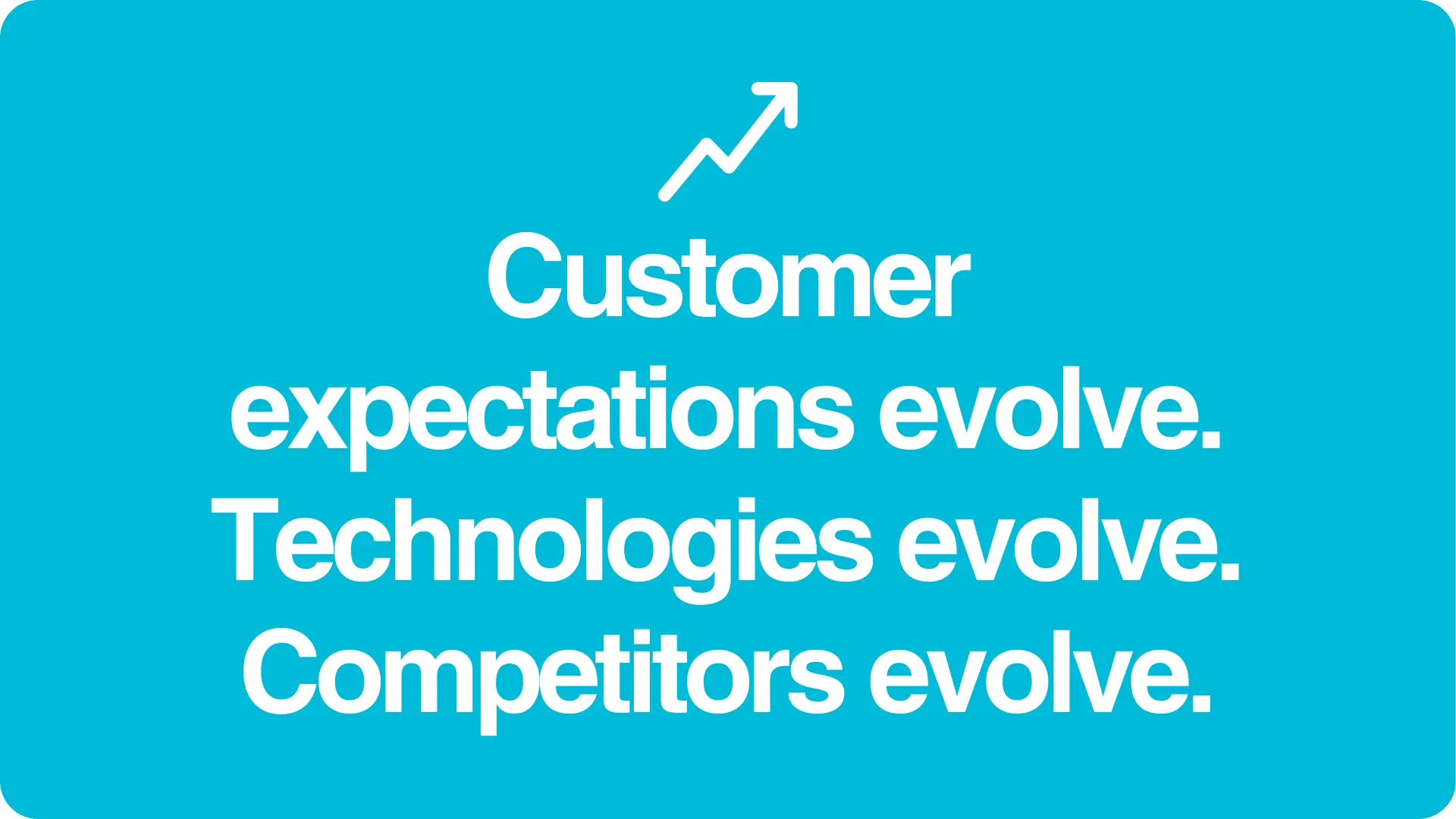
Optimizing customer experience isn’t a one-time deliverable in a project plan; it’s an ongoing mindset. A CRM should be flexible enough to adapt as your relationships deepen and your business changes.
A well-designed CRM becomes a living system that continuously supports better interactions, smoother processes, and stronger customer relationships.
The Bottom Line
Optimizing customer experience in a CRM implementation, whether on Salesforce or any other platform, means looking beyond features, workflows, or technical specifications and asking a more strategic question: How can this system empower our teams to make every customer interaction better?
A CRM should not be implemented as a database or a reporting tool alone. It should function as an enabler of meaningful, consistent, and value-adding interactions across the entire customer lifecycle. That means designing it around real customer journeys, ensuring that teams have a 360° view of the customer, and embedding processes that reduce friction rather than create administrative burden.
A well-optimized CRM helps frontline teams anticipate needs, personalize communication, resolve issues faster, and collaborate seamlessly across departments. It transforms data into actionable insights at the right moment. When properly aligned with CX objectives, the system becomes a driver of trust, efficiency, and growth.
Ultimately, the true measure of a successful CRM implementation is not feature adoption, but its impact on customer perception, loyalty, and lifetime value.
At asUgo, we help organizations turn Salesforce implementations into customer-centric transformations, where technology supports experience, not the other way around.
Author: Céline Brandt, Senior Manager, asUgo