Introduction
AI agents are rapidly becoming part of everyday business operations. But as organizations deploy more agents, they face a new challenge: ensuring those agents can securely access data, work across systems, and operate as part of connected business processes.
Building more AI agents is not enough. The real value comes from creating a secure, connected, and scalable foundation that allows agents to discover information, interact with enterprise systems, and work together effectively.
This is where MuleSoft Agent Fabric makes a difference.
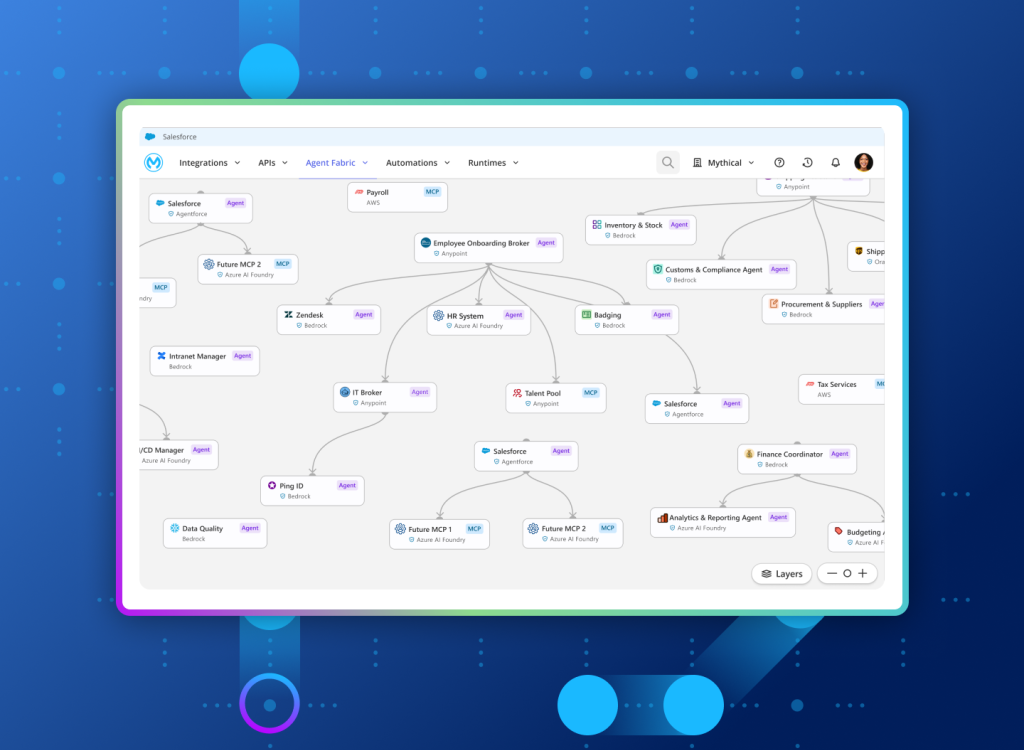
Source: Mulesoft
Agent Fabric helps organizations discover, govern, monitor, and orchestrate AI agents and assets across business workflows.
Building more agents is not enough. The real value comes from creating a secure, connected, and scalable foundation around them.
Here are five practical stages to start your agentic transformation:
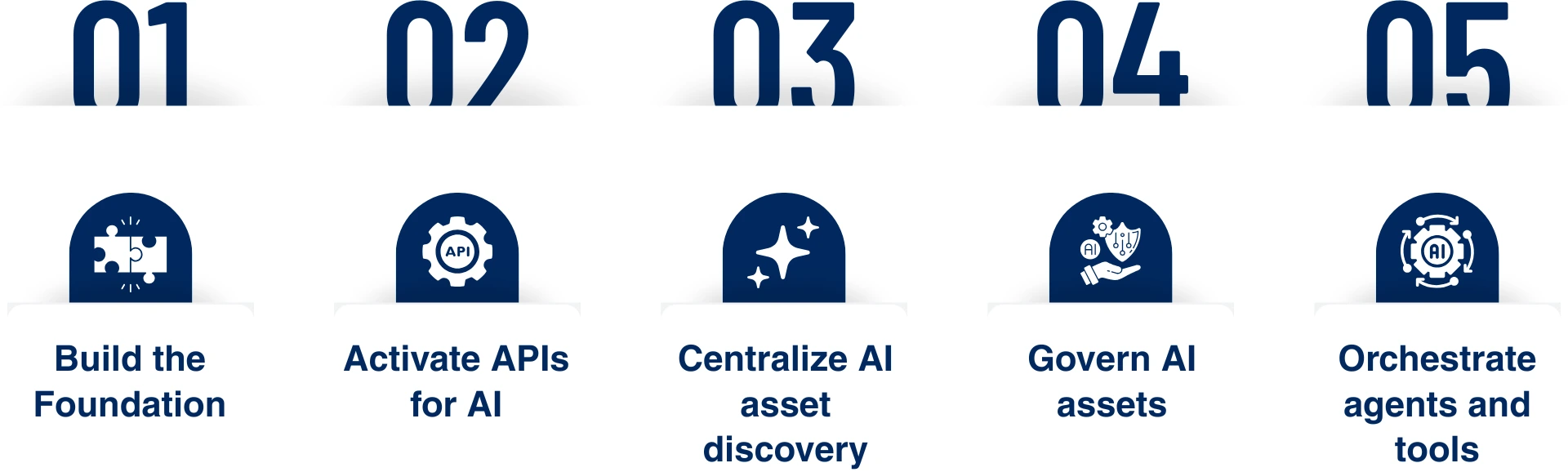
1. Build the foundation
Every agentic transformation starts with connectivity.
Before AI agents can support business processes, they need secure access to the systems and data behind them.
For many organizations, that foundation is still missing. According to Salesforce’s 2026 Connectivity Benchmark Report:

MuleSoft connects legacy systems, cloud applications, and databases through API-led connectivity, integration, automation, and API management.
This creates the foundation AI agents need while improving operational efficiency across the business.
2. Activate APIs for AI
Many organizations already have APIs and integrations in place.
These existing assets can become powerful building blocks for AI agents.
According to the MuleSoft 2026 Agentic Trends Report:
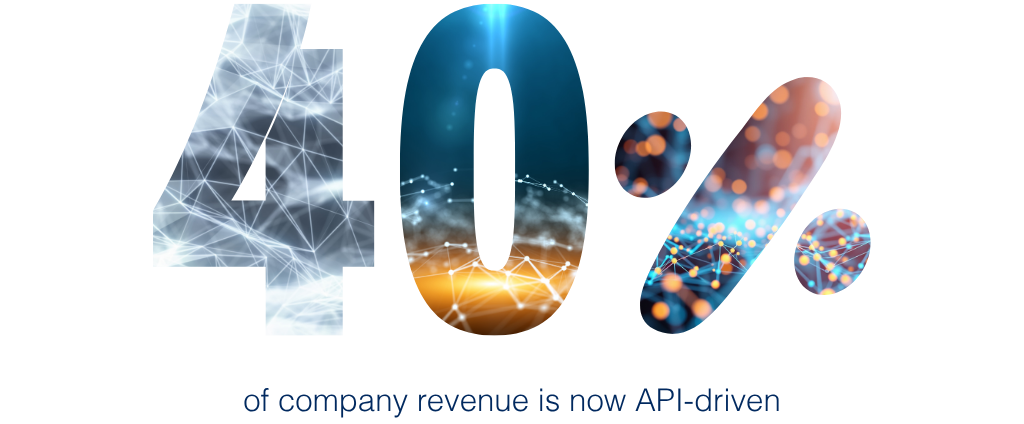
Rather than building new integrations for every AI use case, organizations can reuse existing APIs to retrieve data, update records, trigger workflows, and interact securely with enterprise systems.
This reduces duplication, accelerates development, and maximizes the value of existing investments.
3. Centralize AI asset discovery
As AI adoption expands across teams, visibility becomes essential.
Organizations need to know which agents, APIs, prompts, and tools already exist, which ones are approved, and who owns them.
A centralized inventory makes trusted assets easier to discover and reuse, reducing silos, improving consistency, and avoiding duplicated work across the organization.
4. Govern AI assets
As AI agents begin accessing sensitive data and executing business actions, governance becomes critical.
Organizations need clear policies defining what agents can access, what they are allowed to do, and how their activity is monitored.
MuleSoft helps apply governance across APIs, integrations, and AI assets, enabling organizations to scale innovation while maintaining security, compliance, and control.
5. Orchestrate agents and tools
The real value of agentic AI emerges when agents, systems, applications, and people work together across complete business processes.
Today, that remains a challenge. According to the MuleSoft 2026 Agentic Trends Report:
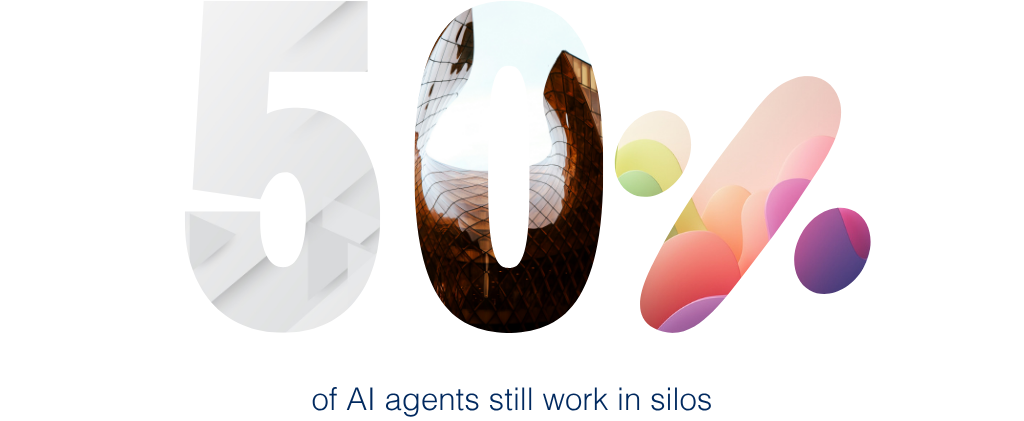
A single customer request, for example, may require retrieving customer data, updating a case, triggering a notification, and involving an employee when human intervention is needed.
With the right MuleSoft foundation, organizations can orchestrate these interactions seamlessly and move beyond isolated AI agents toward connected, end-to-end business workflows.
Where should your organization start?
Every organization is at a different stage of its agentic AI journey.
Some still need to connect their systems. Others already have mature APIs and want to make them accessible to AI agents. Some need stronger governance and better visibility, while others are ready to orchestrate complex agent-driven workflows.
The key is identifying the right next step.
At asUgo, we help organizations use MuleSoft to build the integration foundation for AI, automation, and agentic workflows.
Whether you want to modernize integrations, expose APIs to AI agents, strengthen governance, or prepare for multi-agent orchestration, we can help you define a practical, scalable roadmap.
Agentic AI will only be as effective as the systems, APIs, and processes behind it.
If your organization is looking to move from isolated AI initiatives to a connected agentic enterprise, let’s talk.
Author: Roberto Tonon, Senior Consultant, asUgo